
Golf course operations
Fleet carts for player hire, marshals and course staff. Standardising on one or two configurations keeps spares, chargers and maintenance routines simple — which is where fleet cost is actually won or lost.
Electric carts →
Institutional & fleet
Buying one cart and buying a fleet are different problems. A private buyer optimises for the cart; an operator optimises for uptime, charging infrastructure and whole-of-life cost. RGMZ handles multi-unit requirements directly rather than through a product page.
Fleet carts for player hire, marshals and course staff. Standardising on one or two configurations keeps spares, chargers and maintenance routines simple — which is where fleet cost is actually won or lost.
Electric carts →On a residential estate the cart stops being golf equipment and becomes household transport. Four-seaters dominate for that reason, and noise restrictions mean electric is usually the only realistic option.
4-seater carts →Moving guests and luggage needs seats and predictable turnaround between trips. Six-seaters and shuttle configurations are built for that duty cycle rather than for carrying two golf bags. Our currently listed shuttles run up to six seats — tell us if your operation needs a larger one and we’ll advise you directly.
6-seater & larger →Maintenance and grounds teams need a load bed rather than passenger seats, and often a duty cycle long enough that petrol still makes sense over charging downtime.
Utility carts →A fleet needs somewhere to charge, with enough circuits to charge every unit simultaneously overnight. That's an electrical-infrastructure question as much as a vehicle question, and it's the thing most often discovered late — worth working out before the carts arrive, not after.
Lithium's case gets stronger at fleet scale too: no watering schedule across dozens of vehicles, faster turnaround between uses, and less labour per unit — the purchase premium is larger in absolute terms, and so is the saving.
Read the full fleet guide →Usage looks like private-estate transport, but the pattern is different: frequent short trips through the day rather than peak-and-trough resort traffic, and the cart runs near living spaces for years rather than one busy season. Tell us the trip pattern and we’ll size and spec against that, not against a golf estate.
Conference centres, event venues and corporate or industrial campuses often need carts activated only around specific events rather than run continuously — a different fleet-sizing question to a resort’s steady guest-shuttle demand, even though the vehicles look similar.
Long, continuous duty cycles — often after dark, often without a guaranteed charging window between shifts — change the power-system decision. This is exactly the case the fleet guide flags where petrol can still beat electric on uptime alone.
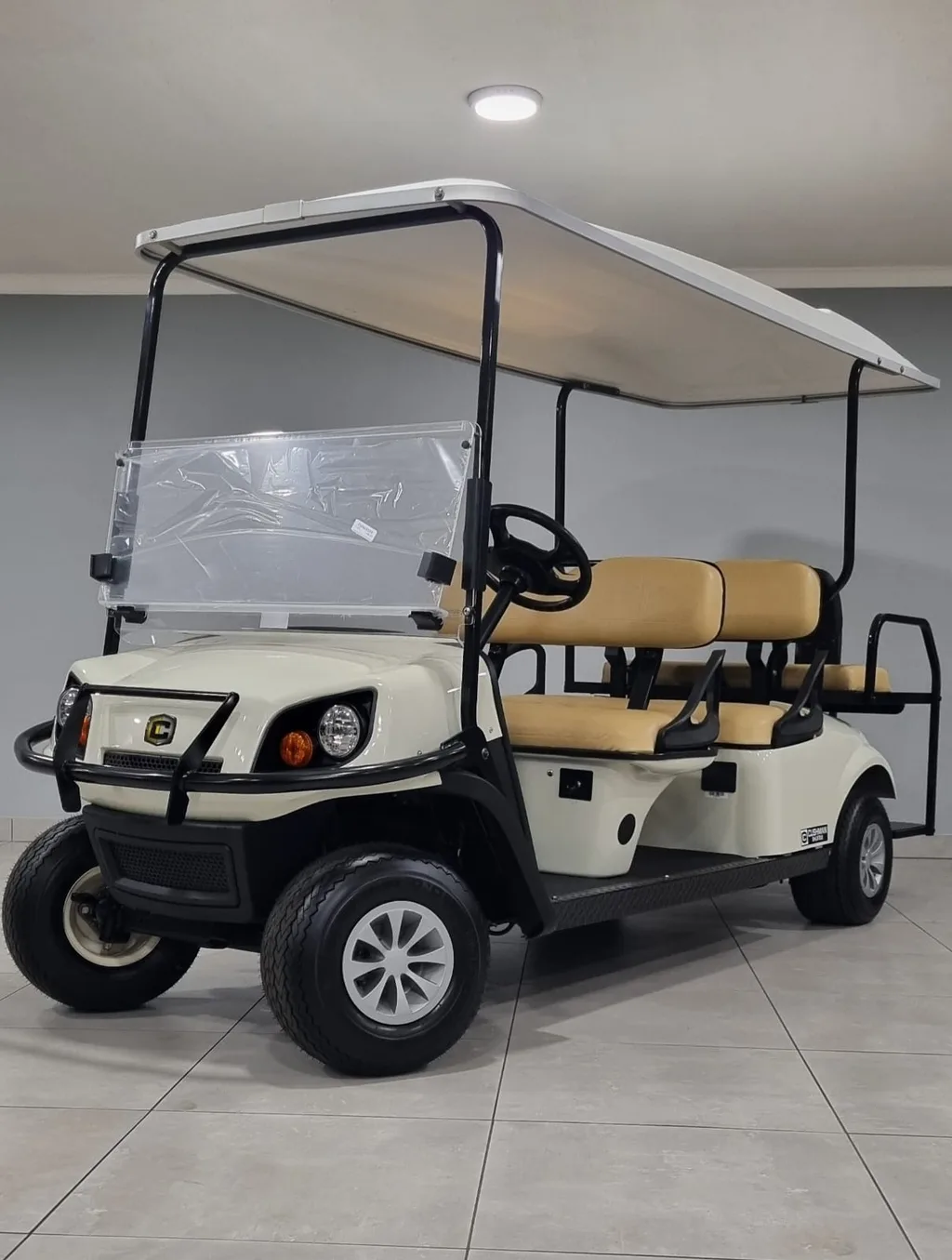
Cushman · Johannesburg
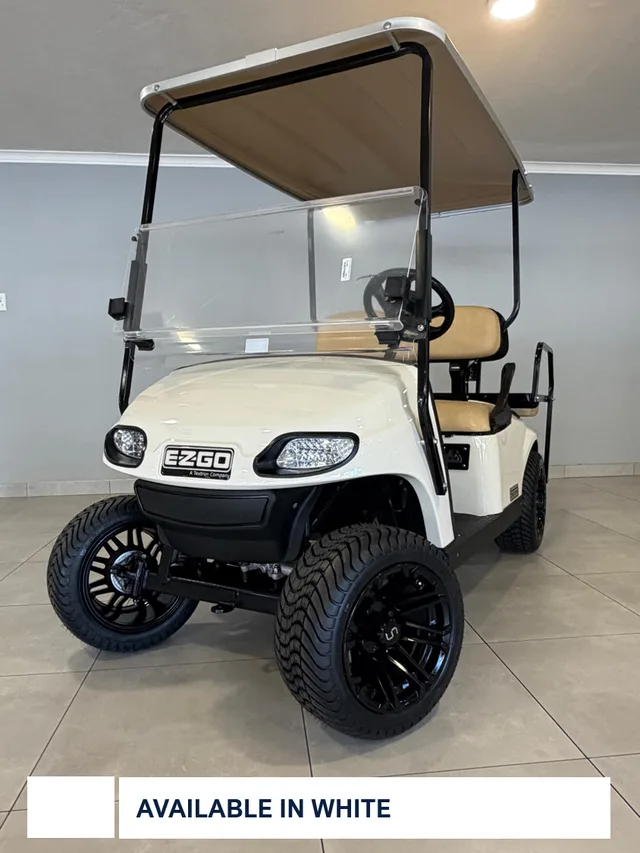
E-Z-GO · Johannesburg
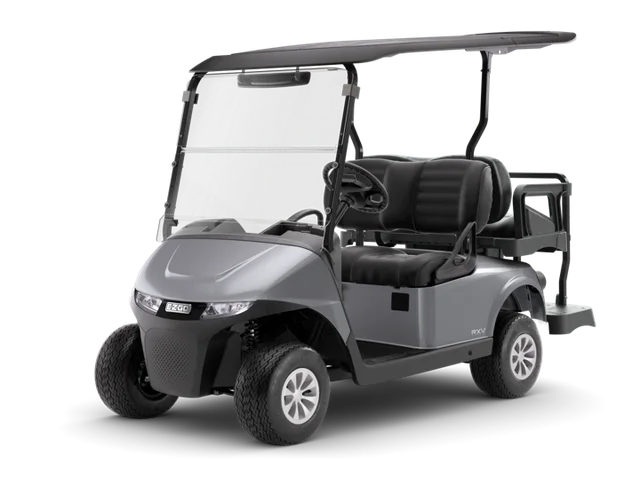
E-Z-GO · Johannesburg
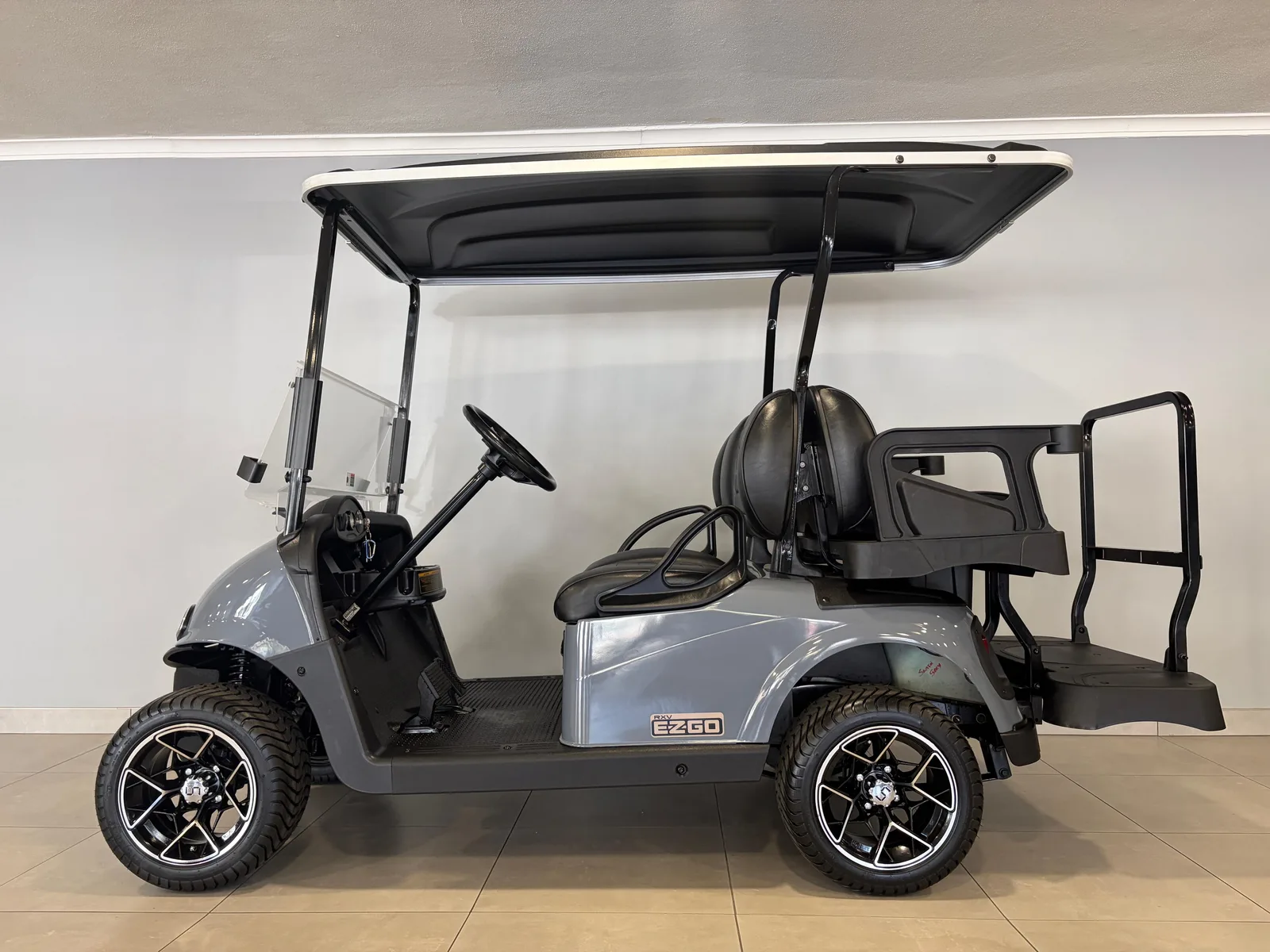
E-Z-GO · Johannesburg
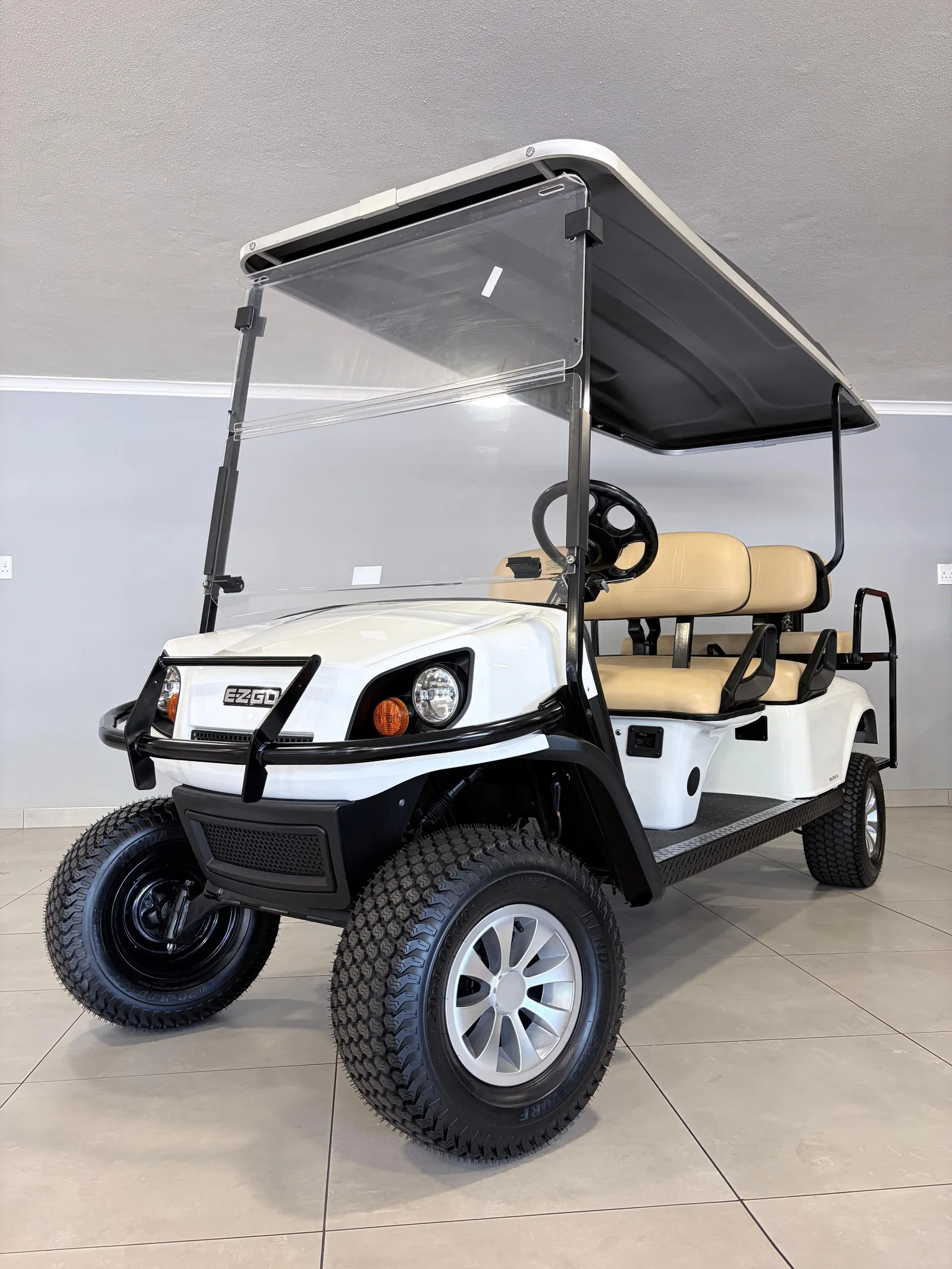
E-Z-GO · Johannesburg
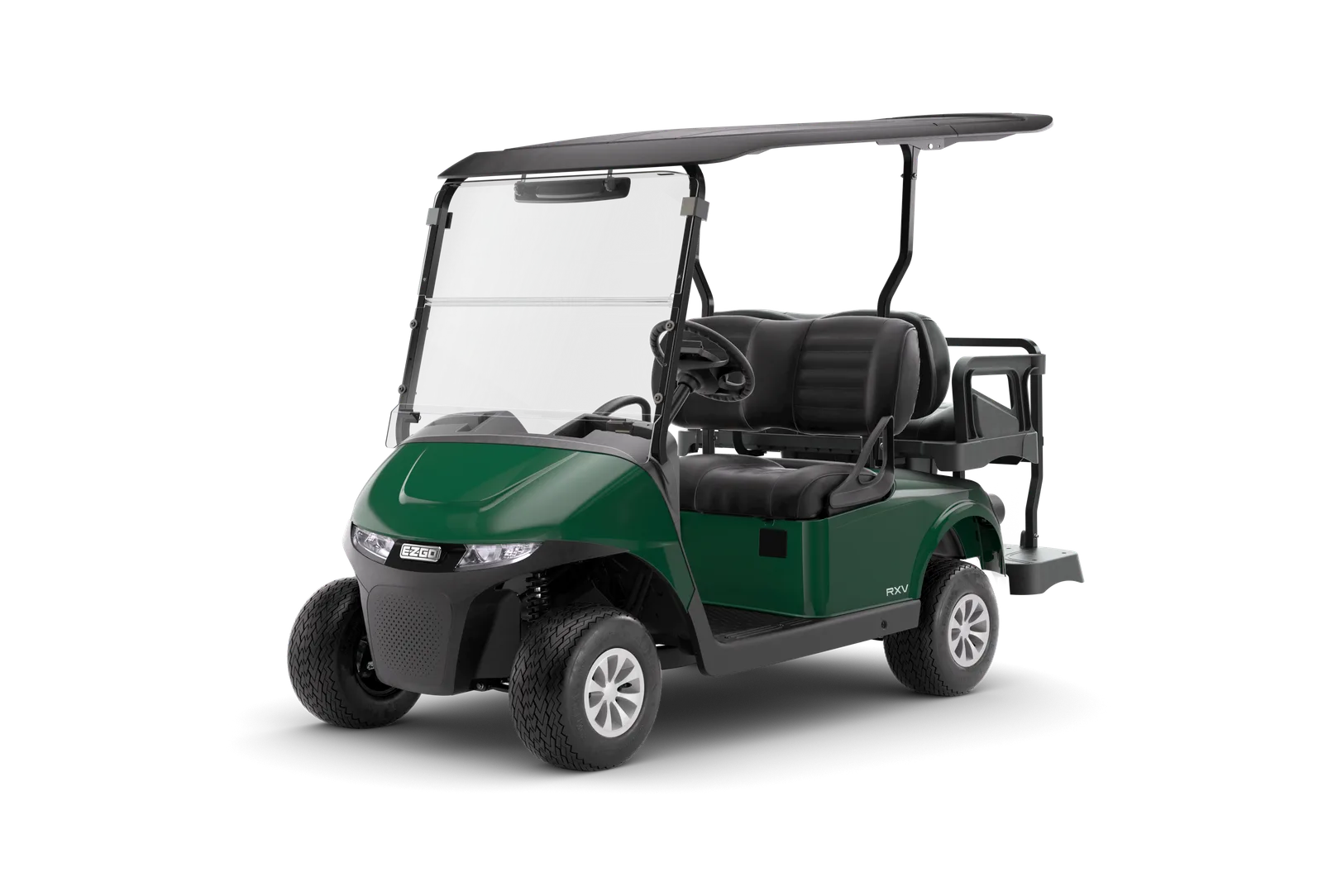
E-Z-GO · Johannesburg
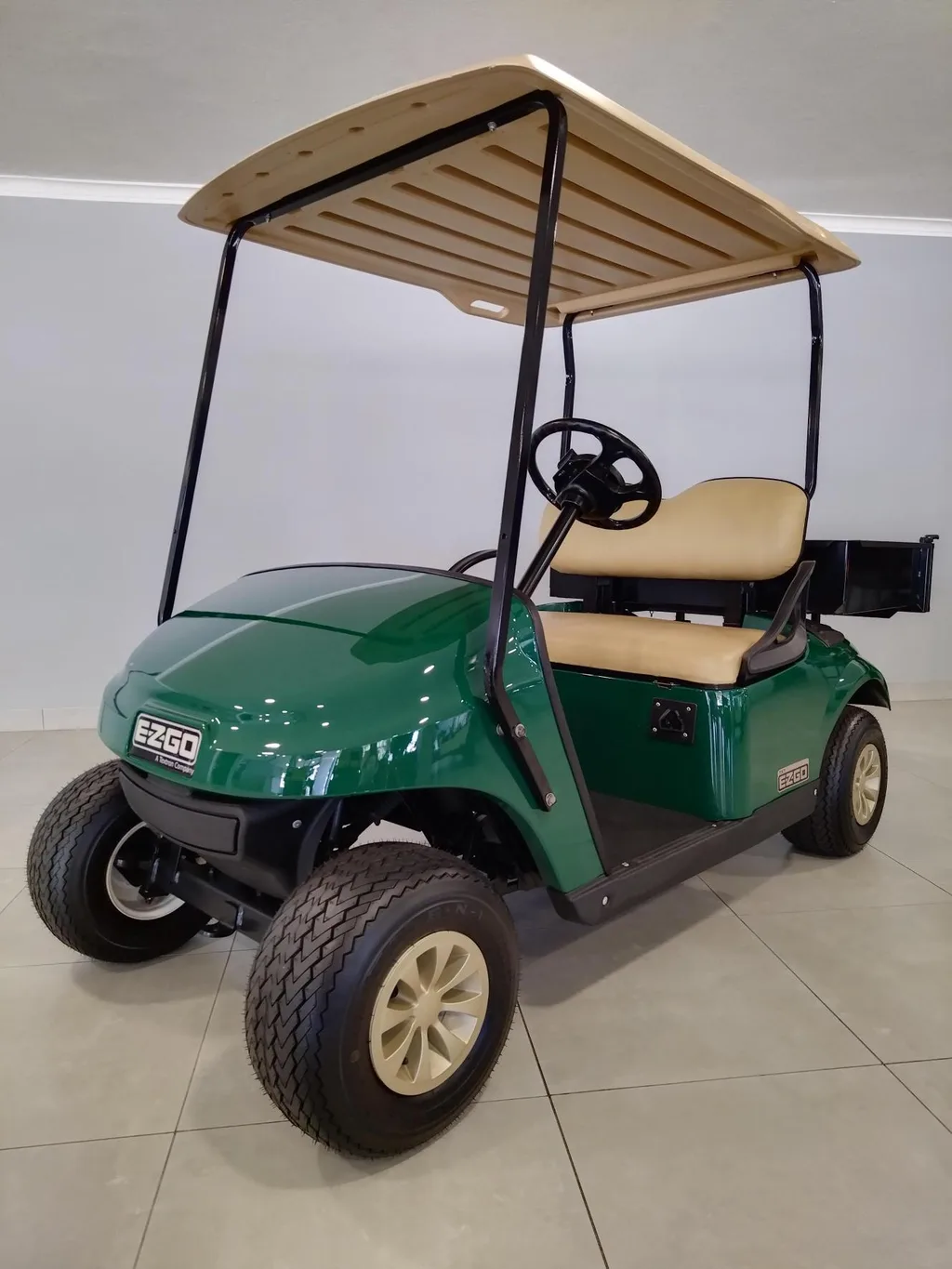
E-Z-GO · Johannesburg
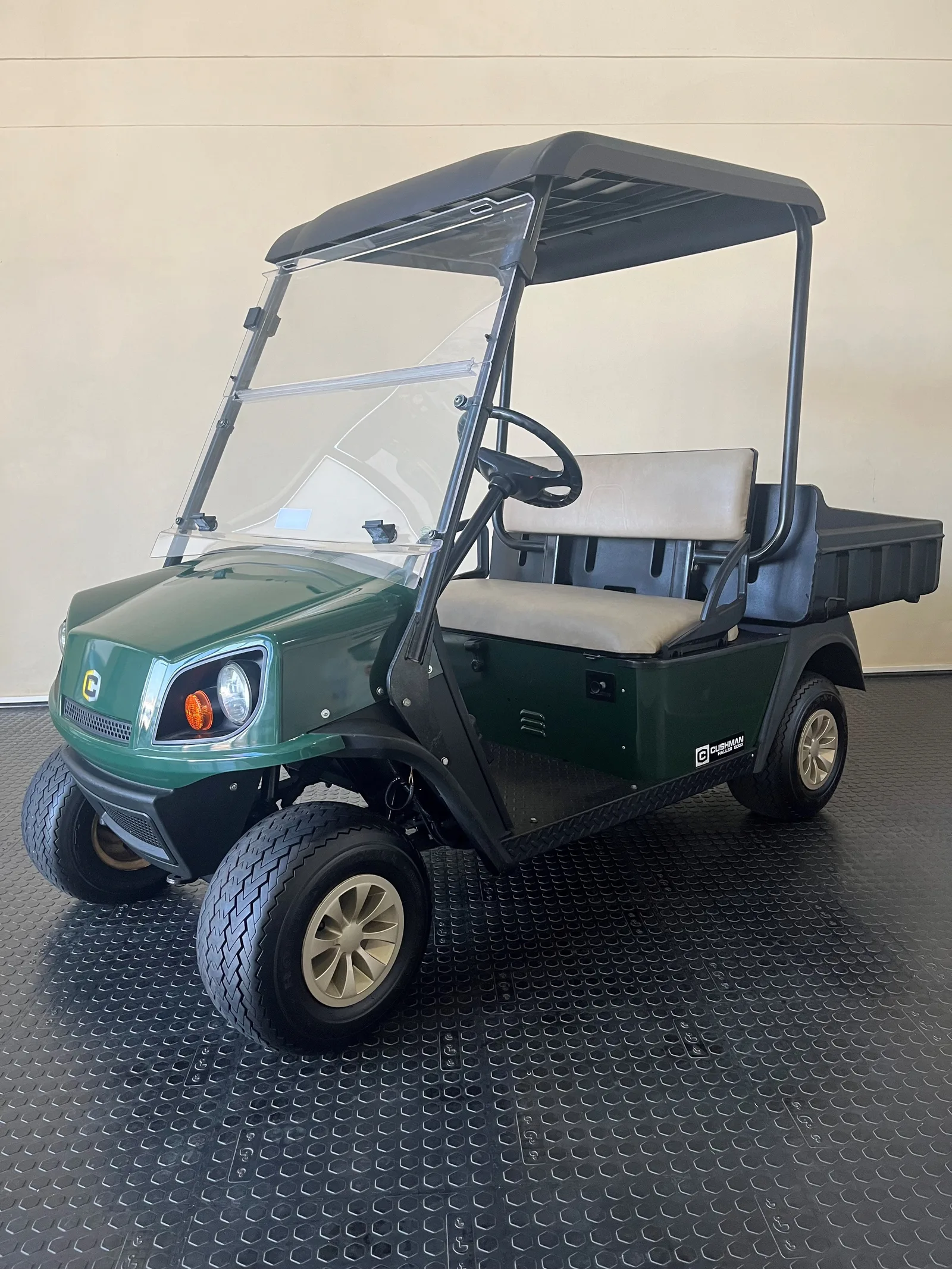
Cushman · Ballito
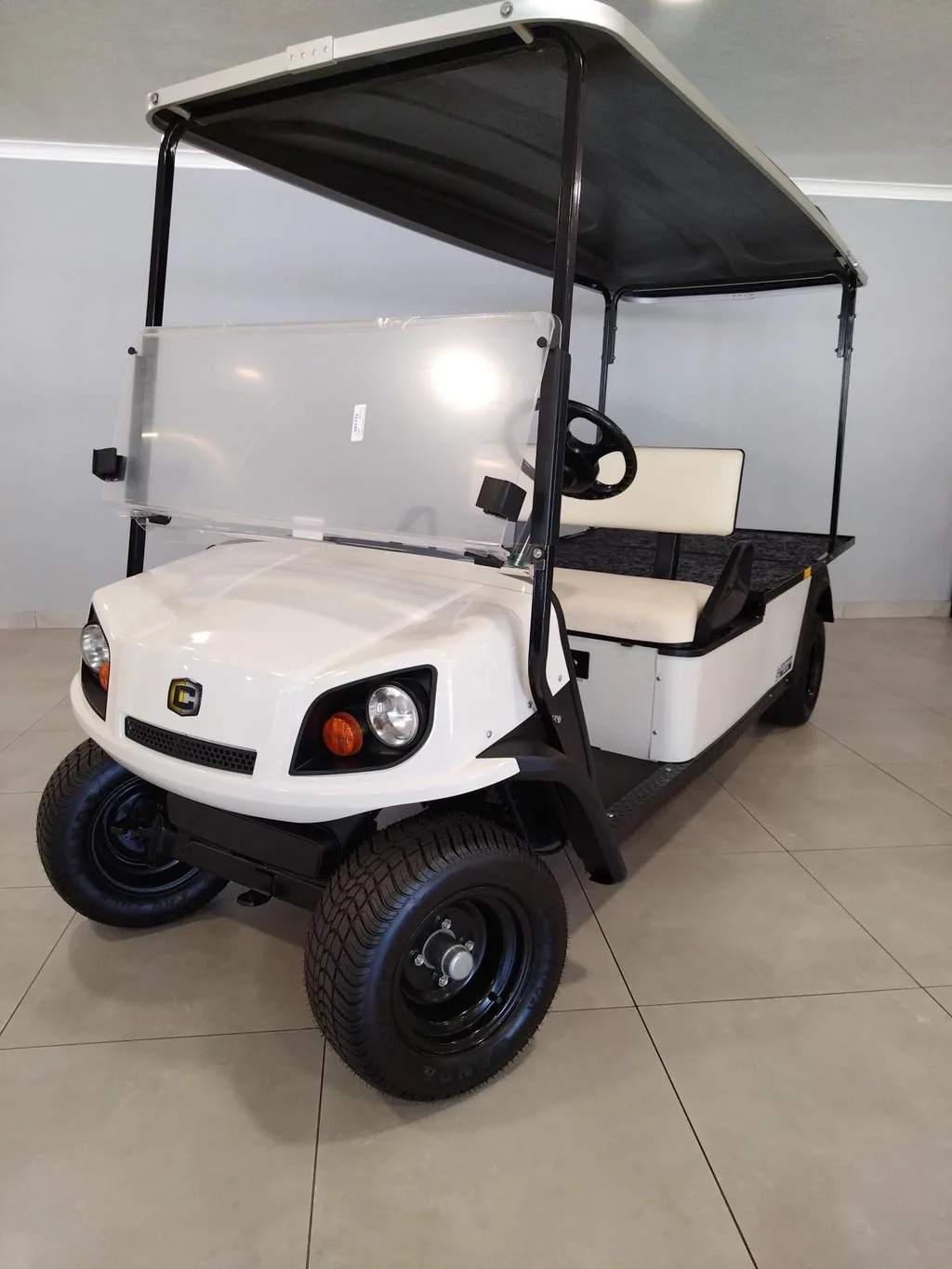
Cushman · Johannesburg
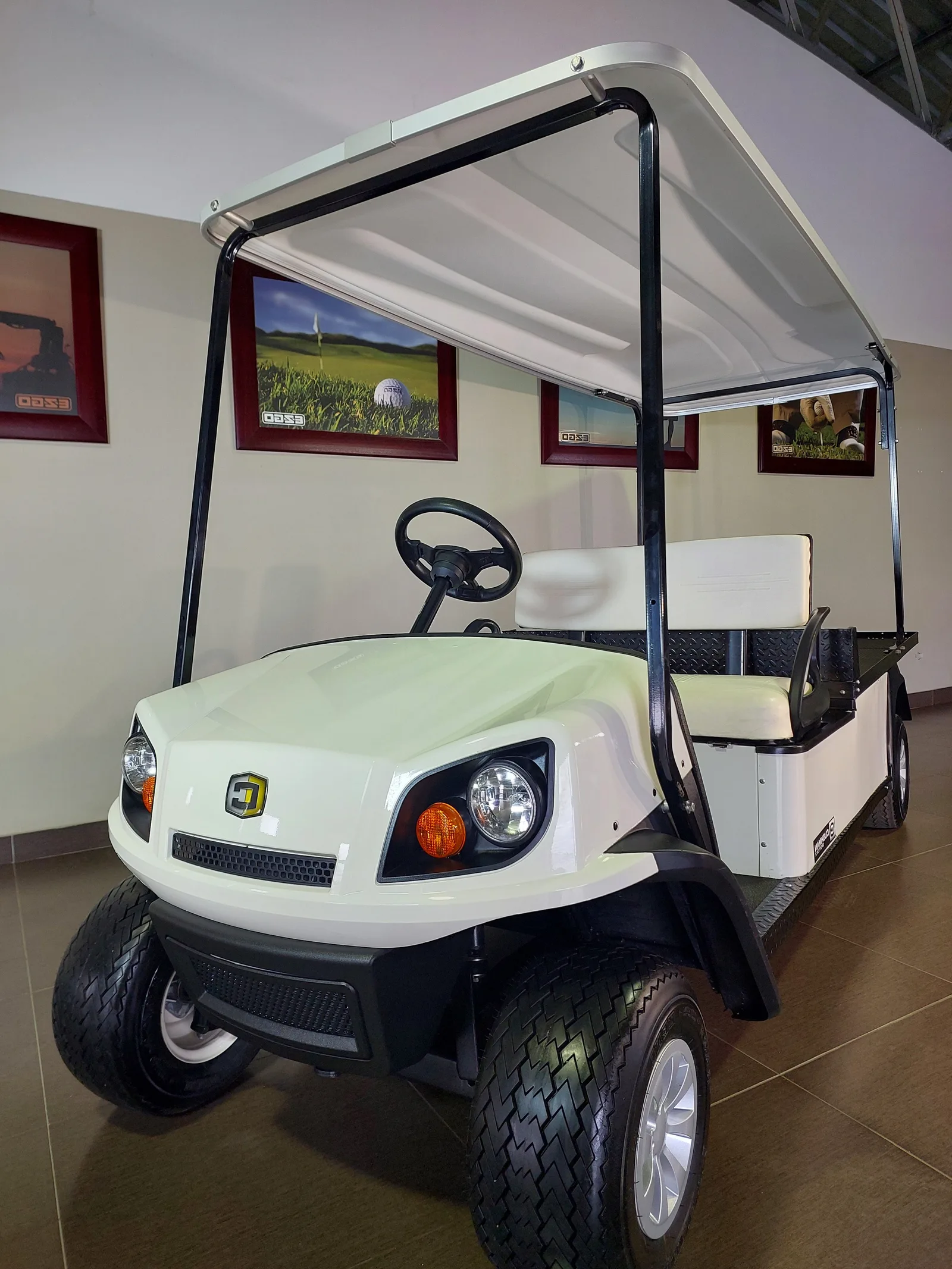
Cushman · George
That depends on tee-time volume, round length and how much overlap you need between charging cycles — it is exactly the kind of sizing question RGMZ works through directly with estates and resorts rather than through a standard product page. Discuss your requirement and we will size it properly.
The lithium argument gets stronger at fleet scale. No watering schedule across dozens of vehicles, faster turnaround between uses, and less maintenance labour per vehicle all compound when you are running many carts rather than one.
Standardise where you can. A fleet of one or two configurations is far cheaper to run than a mixed fleet — shared spares, one charger type, and staff who only need to learn one or two vehicles rather than several.
Press / to search, Esc to close.
Tap the image to zoom · Esc to close