Buying guide
Electric vs Petrol Golf Carts
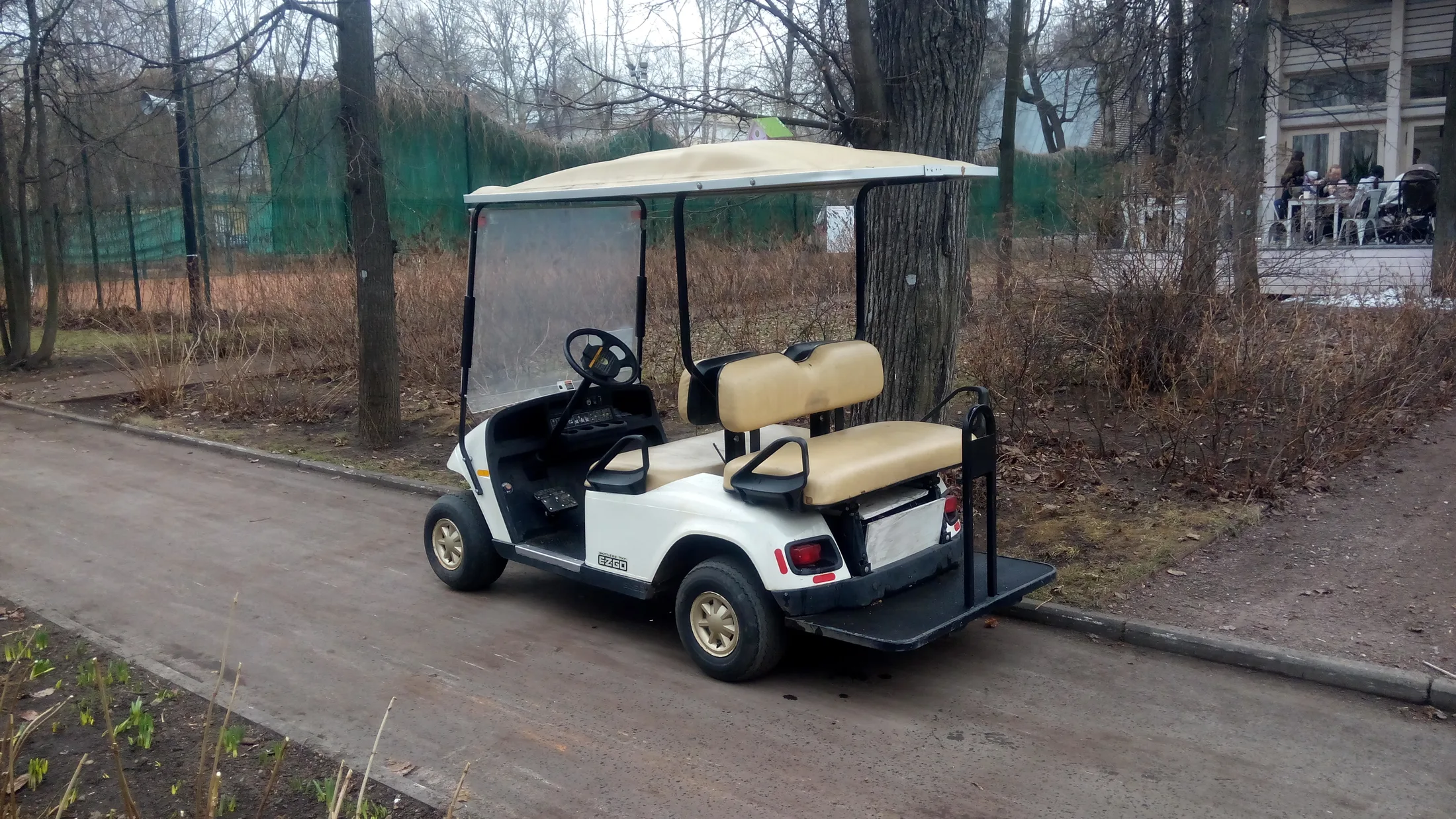
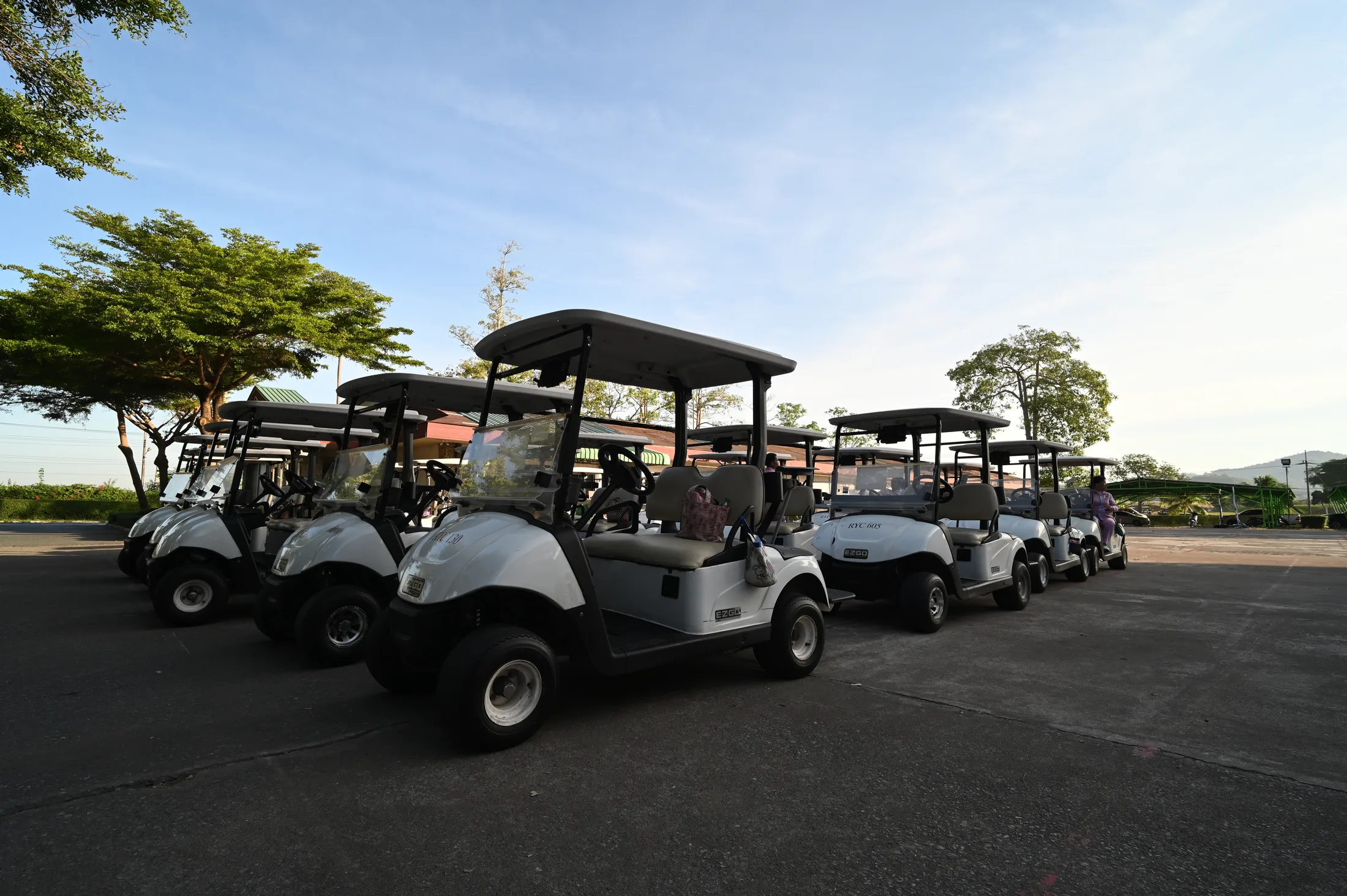
The honest summary: electric wins for almost every private and estate buyer, and petrol survives in a narrow set of operational cases. Here is the reasoning rather than the slogan.
Noise
This decides more purchases than anything else. An electric cart is close to silent. A petrol cart is not, and on a golf course or a residential estate that matters socially as much as technically. Many estates now restrict petrol carts outright.
Running cost
Electricity is cheaper per kilometre than petrol, but the larger saving is maintenance. A petrol cart has an engine: oil, filters, plugs, belts, a fuel system. An electric drivetrain has almost none of that. Over several years the servicing difference typically outweighs the fuel difference.
Refuelling versus recharging
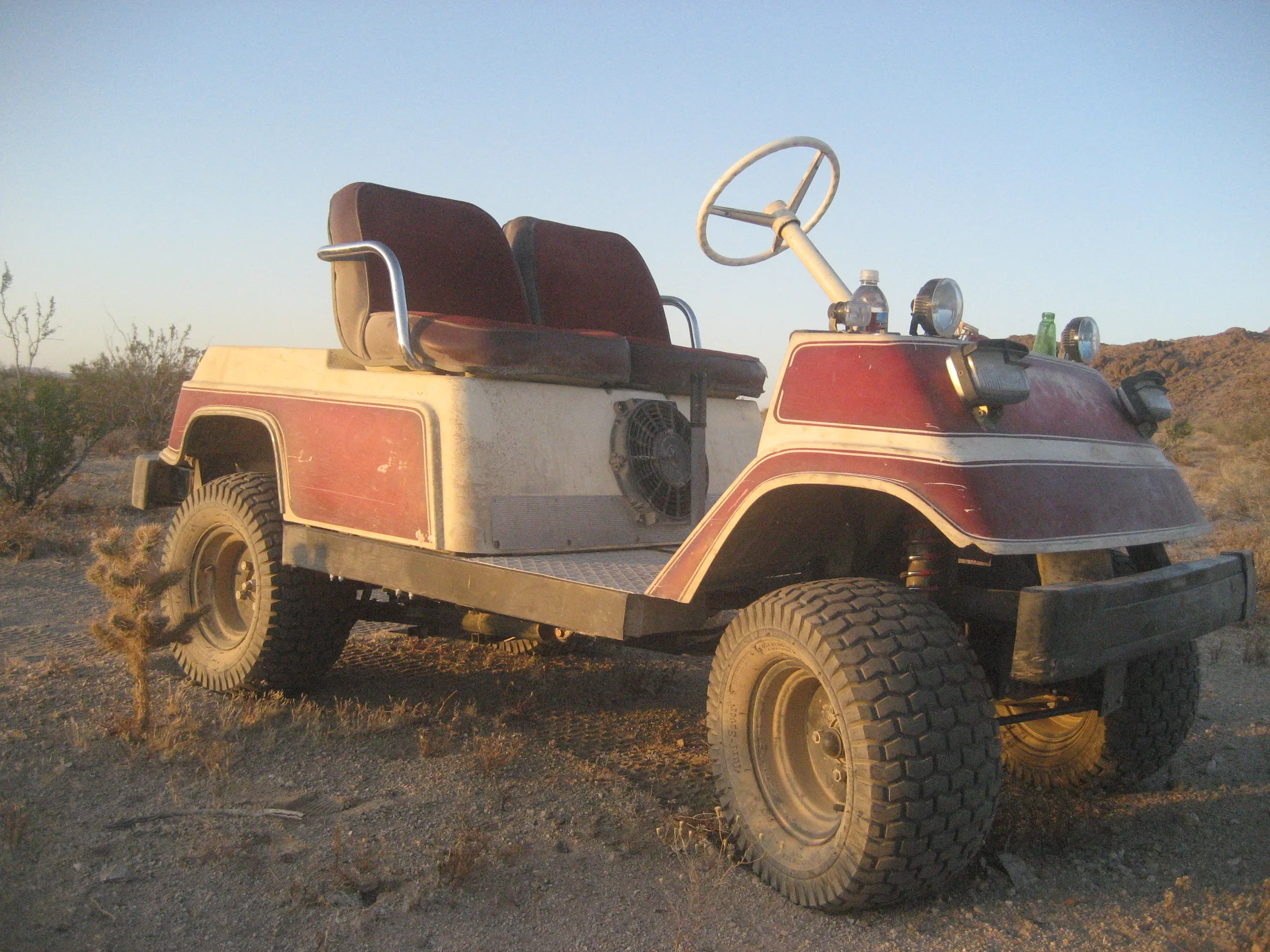
This is petrol’s one genuine advantage. Refuelling takes two minutes; recharging takes hours. For an operation running a cart continuously across a long working day, that difference is real and sometimes decisive.
Load and gradient
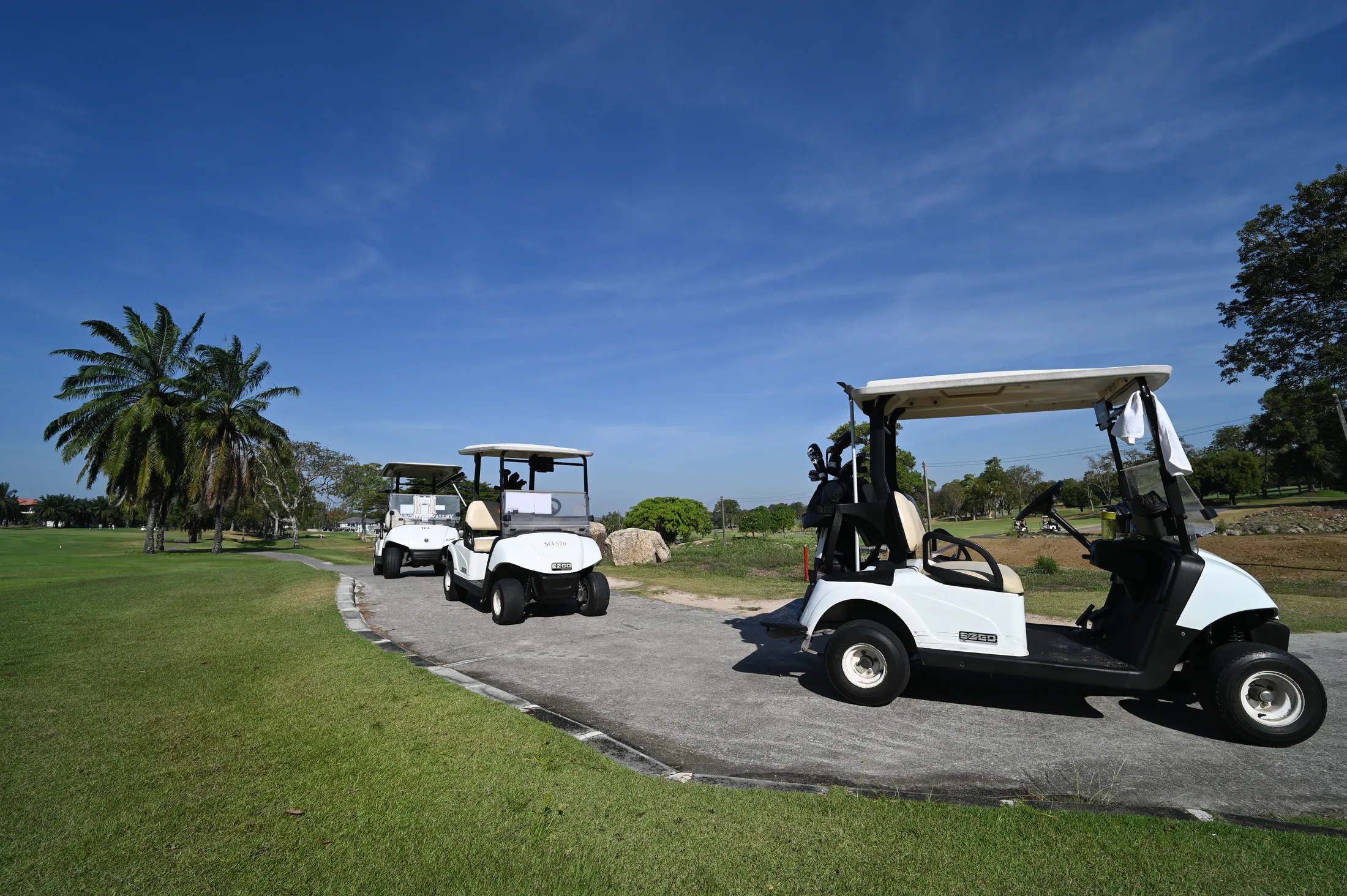
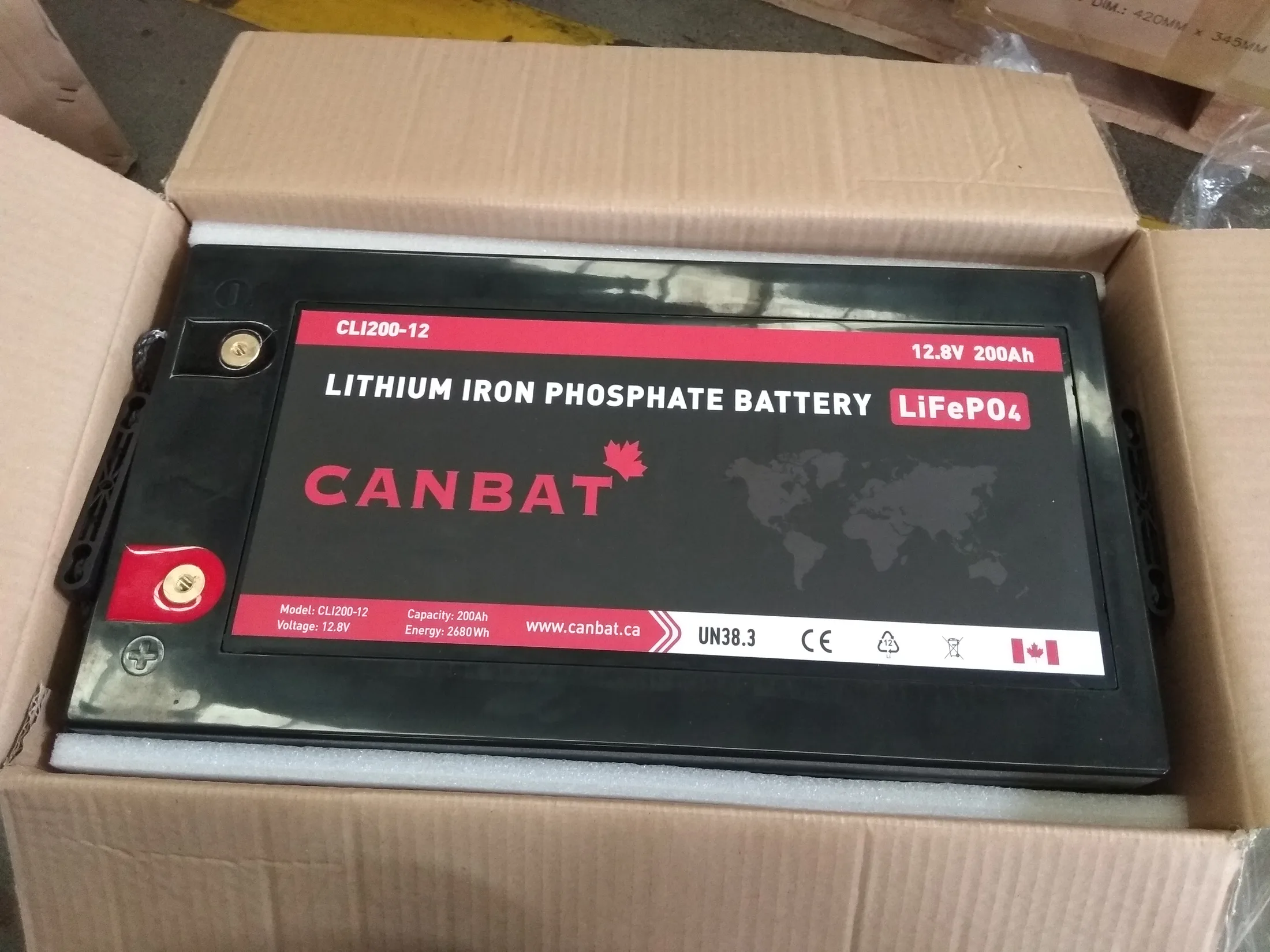
Both handle load well. The practical difference is that a petrol cart’s performance does not degrade as its tank empties, whereas a battery cart’s does as charge drops — most noticeably on climbs, and most noticeably with lead-acid rather than lithium.
Which should you actually buy
- Private owner or estate resident: electric, and lithium if you are keeping it.
- Golf course fleet: electric, on noise and servicing grounds.
- Resort or hotel shuttle: electric, unless duty cycles genuinely prevent charging.
- Grounds and utility operations running all day: petrol is still defensible.
Browse electric golf carts or petrol golf carts currently listed by RGMZ.
Frequently asked questions
Is an electric golf cart cheaper to run than petrol?
Yes, on both counts that matter. Electricity costs less per kilometre than petrol, and there is no engine to service — no oil changes, spark plugs or exhaust system to maintain.
Why do golf estates restrict petrol carts?
Almost always noise. A petrol engine is audible on a course in a way an electric cart is not, and many South African estates now restrict or discourage petrol carts specifically on those grounds.
When does a petrol cart still make sense?
For an operation running long hours with no guaranteed charging downtime — a grounds team working a full day across a large property, for example — refuelling in two minutes can genuinely beat an overnight charging cycle.