Buying guide
What to Check When Buying Pre-Owned Golf Clubs
Pre-owned is the fastest way to play better equipment than your budget would otherwise allow. The risk is almost never the club itself — it is the description. The questions below are the ones worth asking of any seller, us included.
Shaft first, head second
Most buyers focus on the head and skim the shaft. That is backwards. A driver head you like with the wrong shaft flex will perform worse than a lesser head correctly specified. Confirm the shaft model and the flex before anything else, and be honest about your swing speed rather than optimistic.
Lie angle and length on irons
Second-hand irons are often bent from standard by a previous owner, or cut and re-gripped to a different length. Neither is a problem if you know about it. Both are a problem if you discover it after the fact. Ask whether the set is standard or altered.
What wear actually matters
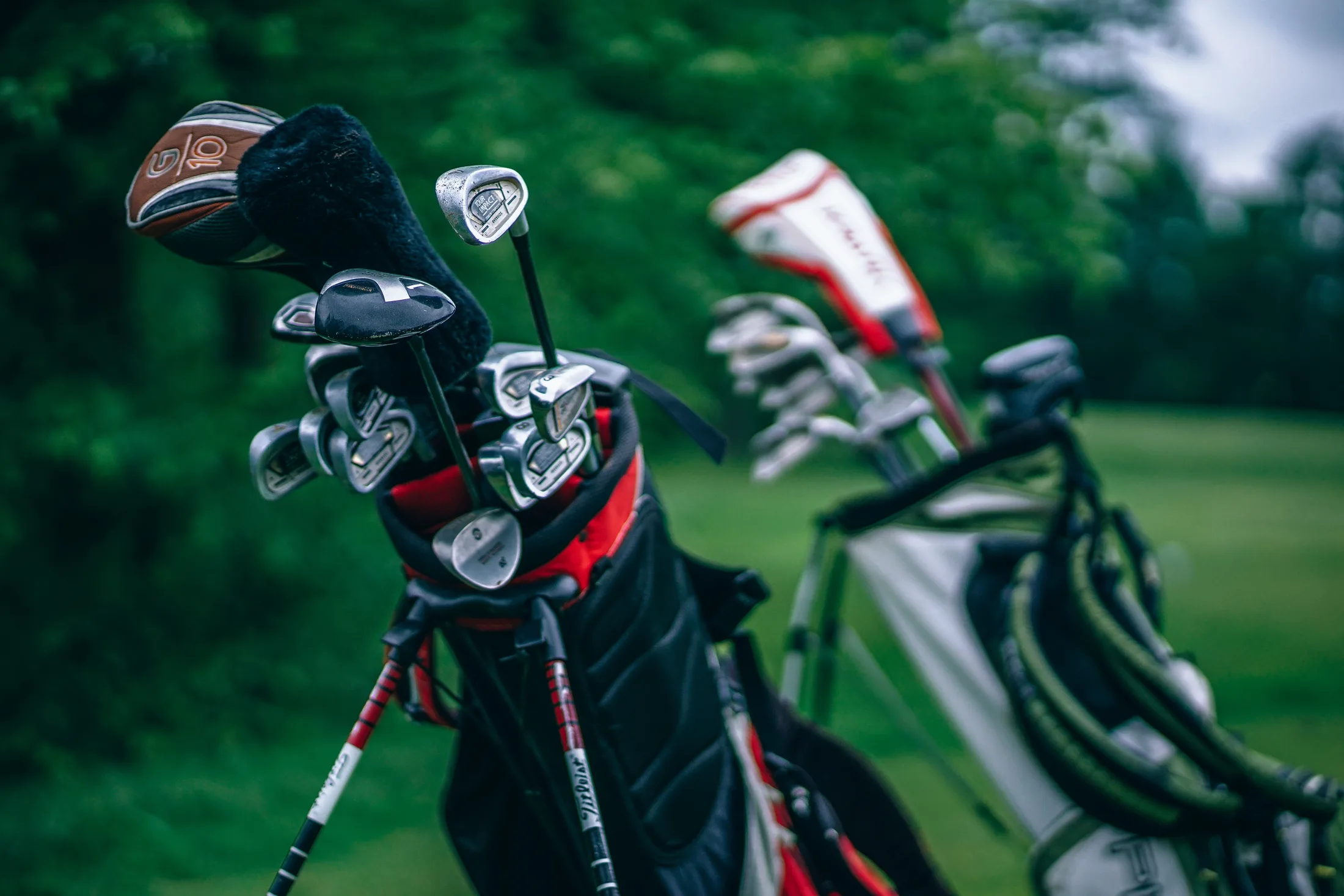
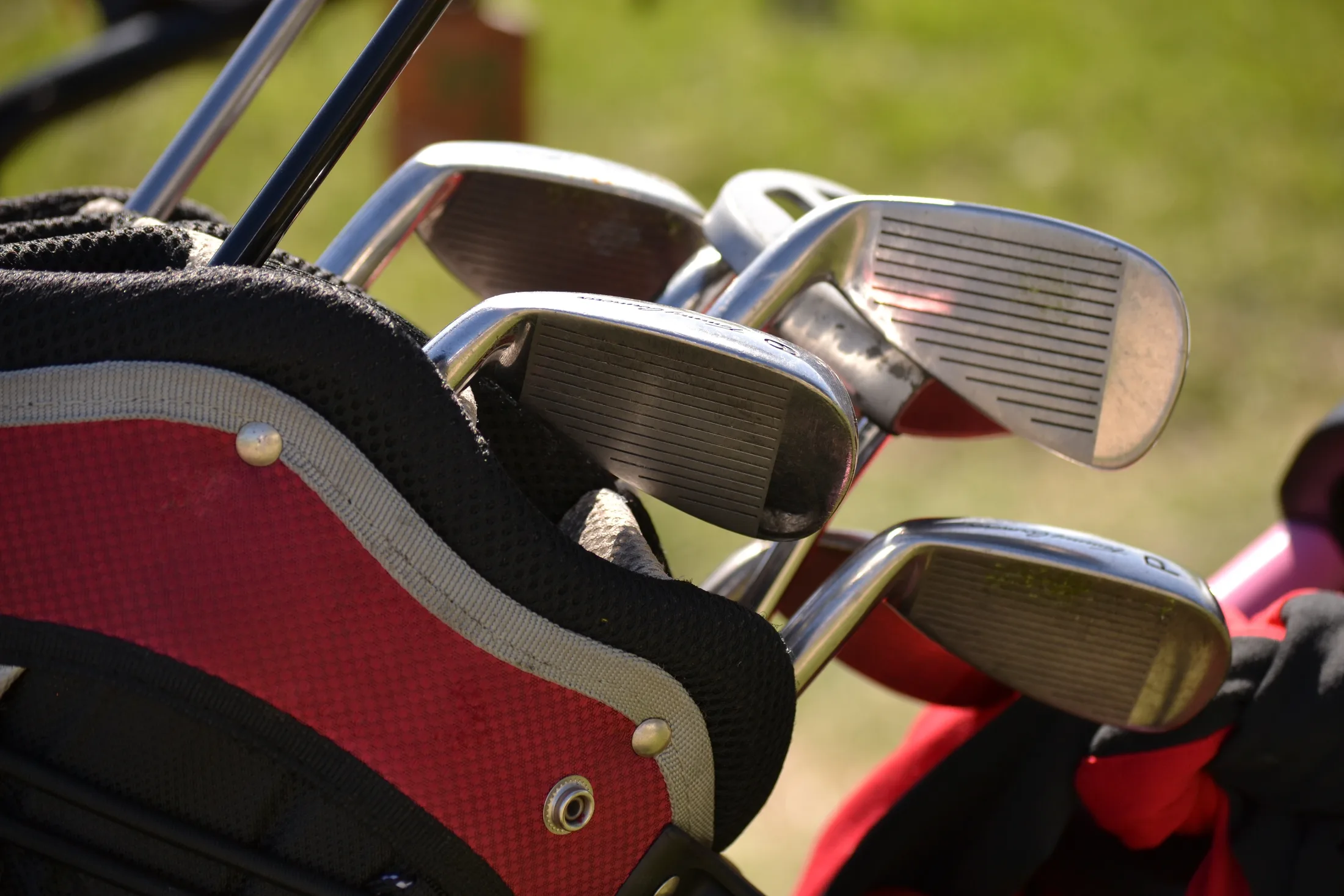
Cosmetic marks on a driver crown or sole affect resale value, not performance. What matters is groove wear on wedges and short irons, because that genuinely changes spin. On a wedge, worn grooves are a functional defect, not a blemish. On a five-iron, light sole scuffing is meaningless.
Putters and drivers
Putters are the safest pre-owned purchase in golf: almost nothing wears out. Check length and that the face has no damage. Drivers are the most specification-sensitive: loft, shaft and any adjustable-hosel setting all change the result.
The questions to ask
- What is the exact shaft and flex?
- Is the length and lie standard, or has it been altered?
- How worn are the grooves on wedges and scoring irons?
- Are the headcovers, tool and adjustment parts included?
- What is the grip condition — and is it the original?
A seller who answers those precisely is a seller worth buying from. Browse pre-owned golf clubs at RGMZ.
Frequently asked questions
What should I check before buying a pre-owned driver?
The shaft, not the cosmetics. A driver head you like on the wrong shaft will underperform a lesser head on the right one. Confirm the exact shaft model and flex, then check the shaft for cracks near the tip and hosel — cosmetic marks on the crown or sole affect resale value, not performance.
Do pre-owned irons need to be re-fitted?
Check lie angle and length before assuming a standard fit — second-hand irons are often bent from standard by a previous owner, or cut and re-gripped to a different length. A seller who can tell you the exact lie angle and length is worth buying from.
Are pre-owned putters a safe purchase?
Yes — putters are the safest pre-owned category in golf, since almost nothing on a putter wears out mechanically. Check that the length matches what you need and that the face insert (if there is one) shows no visible damage.