
Buying guide
Lithium Golf Cart Batteries Explained
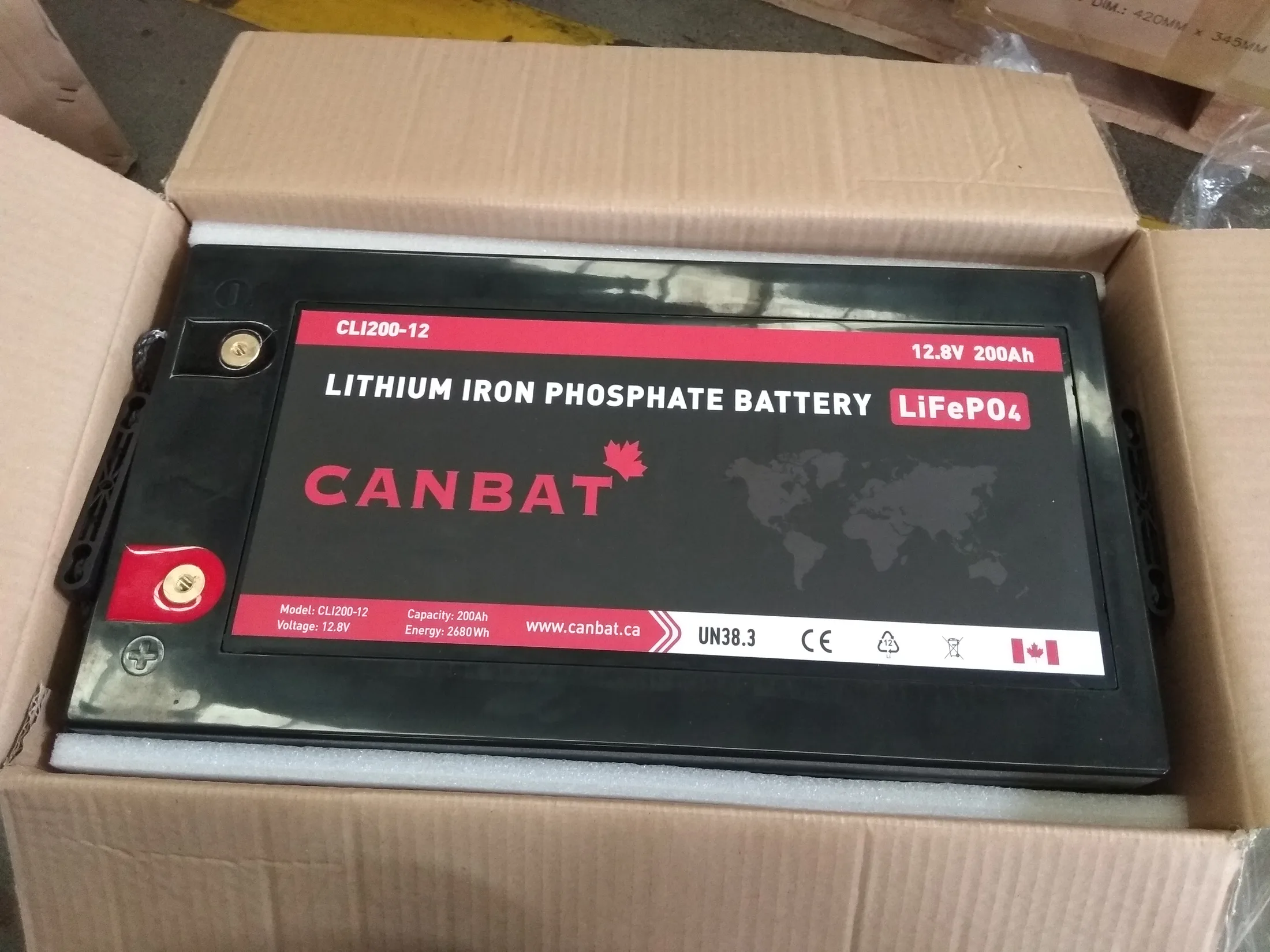
The battery is the single most expensive component in an electric golf cart and the one most likely to determine whether you are happy with the purchase in three years. It deserves more thought than it usually gets.
What actually differs
Lead-acid is the traditional technology: cheaper to buy, heavier, and it needs maintenance. The cells must be topped up with distilled water on a schedule, terminals corrode and need cleaning, and voltage sags progressively as the pack discharges — which you feel as the cart getting slower on hills late in a round.
Lithium packs are lighter, charge considerably faster, hold voltage almost flat until nearly depleted, and require no watering or terminal maintenance at all. They also tolerate partial charging without damage, whereas lead-acid prefers full cycles.
Lifespan and the real cost comparison
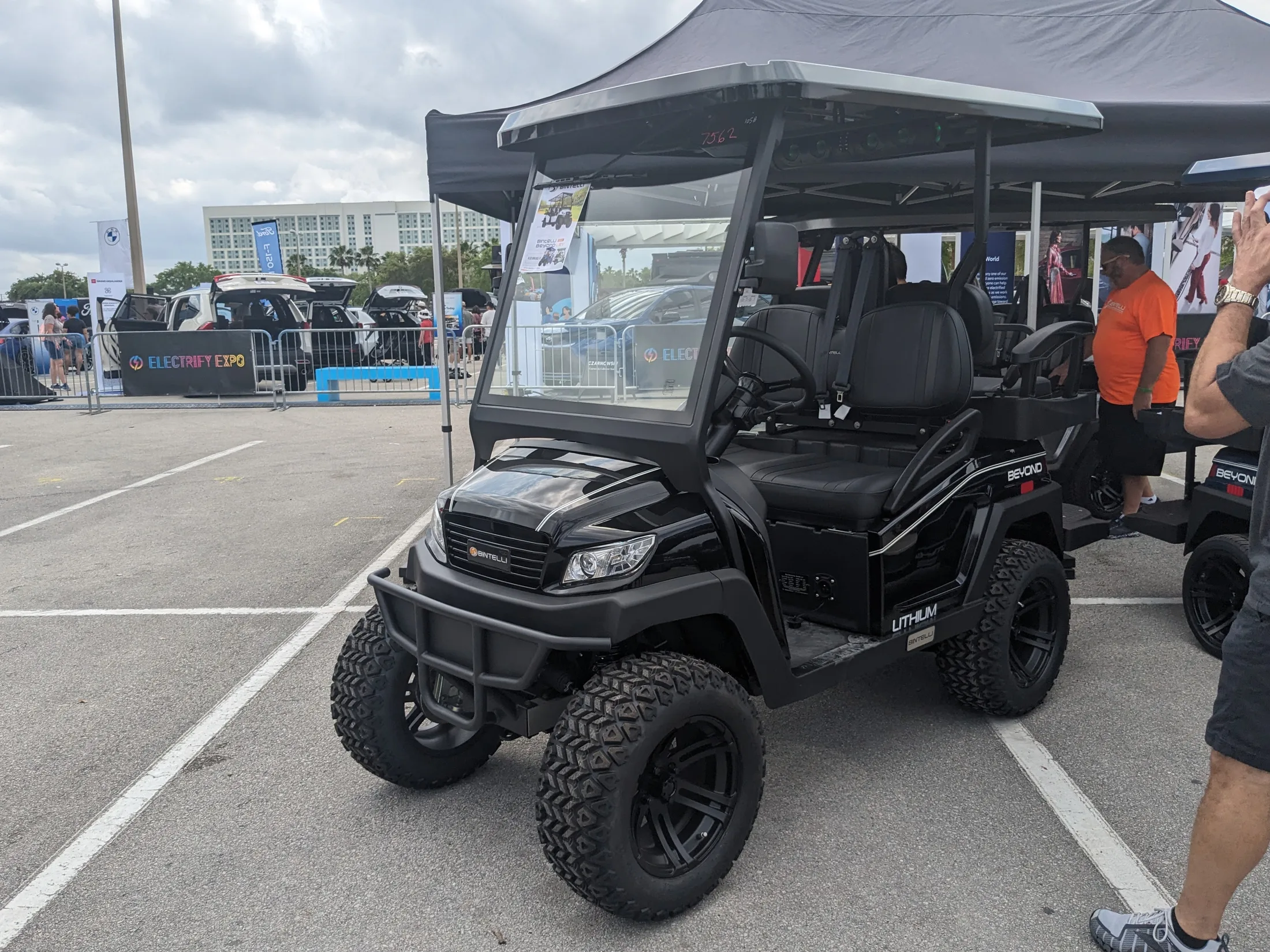
A lead-acid pack typically needs replacing several years before a lithium pack does. Once you account for one replacement cycle, the cheaper option usually stops being cheaper. If you plan to keep the cart, lithium is generally the lower total cost despite the higher purchase price.
Charging in practice
Lithium recovers usable charge fast enough to top up between uses rather than requiring a full overnight cycle. That flexibility matters more than the headline charge time — it means the cart is available when you want it rather than when the charger is finished.
What to ask about a used cart
- How old is the pack, and is it the original?
- Is it lithium or lead-acid, and what voltage?
- Is the correct matching charger included?
- Is there any remaining battery warranty, and in whose name?
Battery age is the number that matters most on a pre-owned cart, and it is the number least often volunteered. Browse lithium golf carts currently listed by RGMZ.
Frequently asked questions
Is lithium worth the extra cost on a golf cart?
If you are keeping the cart more than a couple of seasons, usually yes. Lithium costs more upfront but needs no watering or terminal maintenance, charges faster, holds voltage more consistently through a round, and typically outlasts a lead-acid pack by a wide margin — which is where the cost difference resolves.
How do I know if a used cart has a lithium or lead-acid battery?
Ask the seller directly and ask for the pack's age — it is the single most important number on a pre-owned cart and, per our own experience, the one sellers volunteer least often. A lithium pack is also noticeably lighter than an equivalent lead-acid bank.
Can I convert a lead-acid golf cart to lithium?
Physically, often yes, since many carts share compatible battery-bay dimensions. Confirm compatibility with the cart's specific charger and controller before buying a conversion pack — ask us if you are unsure about a specific model.