Buying guide
Golf Carts for Estates, Resorts and Clubs
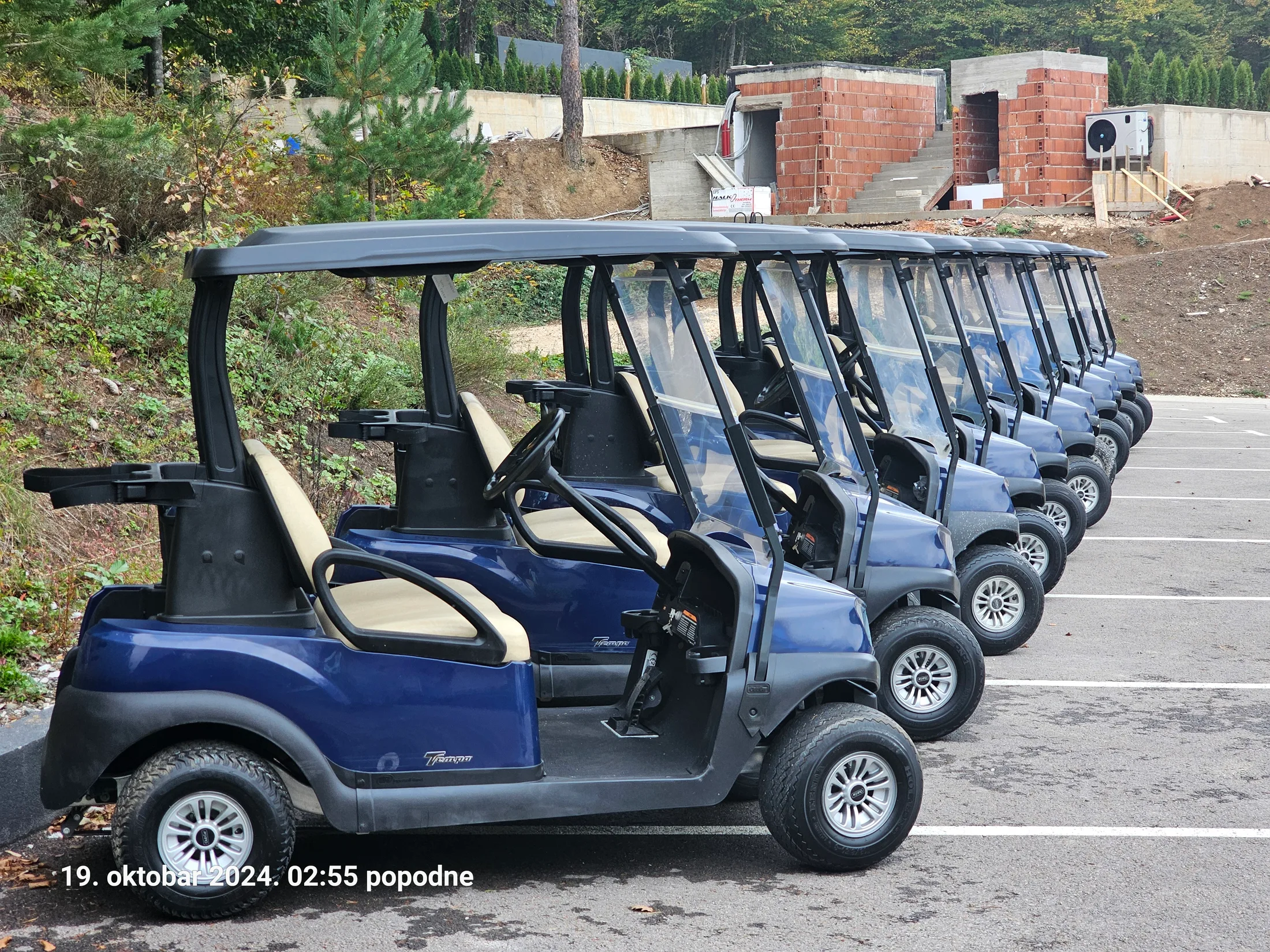
Buying one cart and buying a fleet are different problems. A private buyer optimises for the cart. An operator optimises for uptime, charging infrastructure and whole-of-life cost.
Seating and configuration
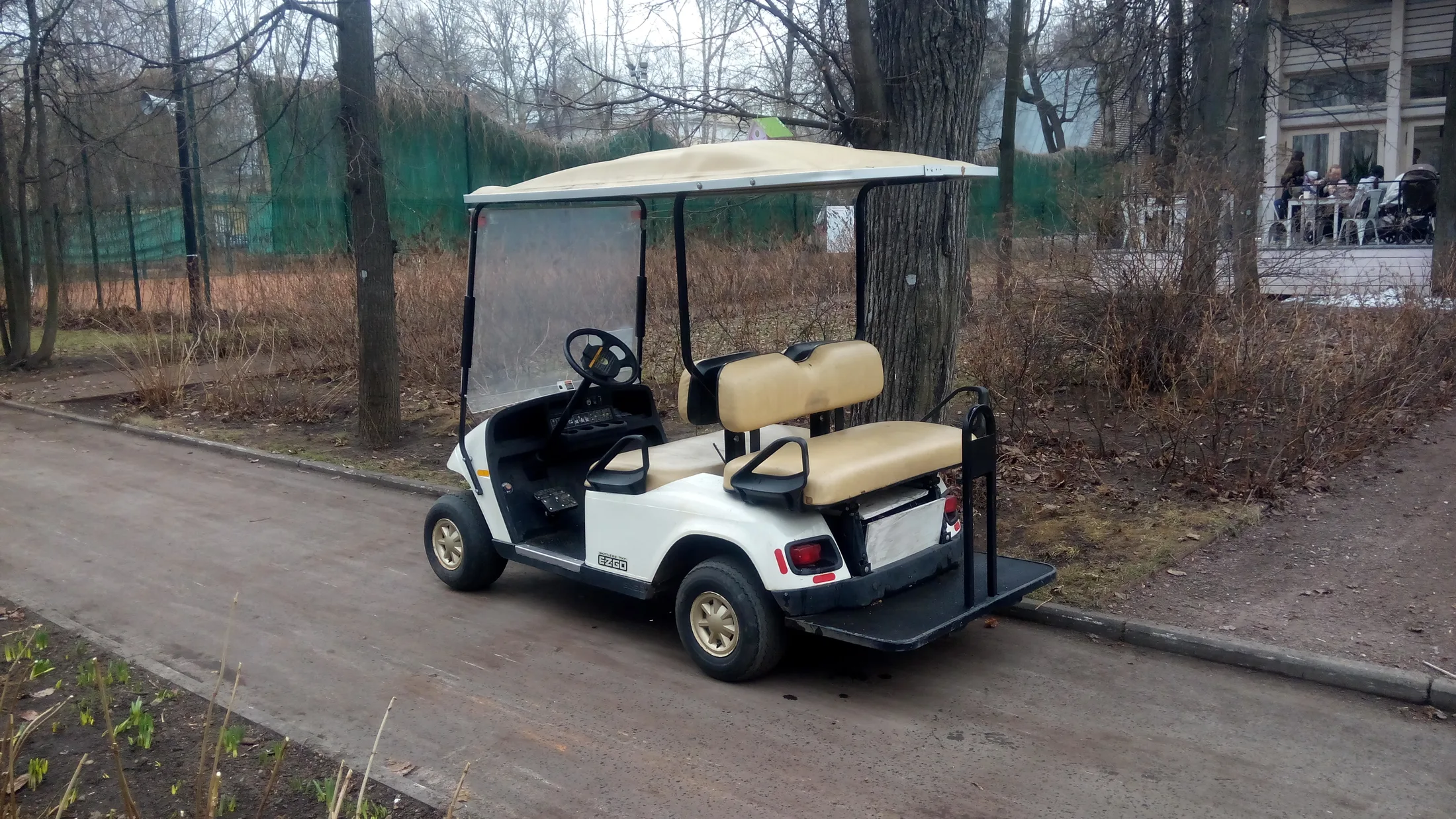
Estates typically want four-seaters, because the cart becomes household transport rather than golf equipment. Resorts and lodges moving guests need six-seaters or shuttles. Grounds and maintenance teams need a utility bed, not passenger seats. Most operations end up with a mix rather than one configuration.
Charging is the part that gets underestimated
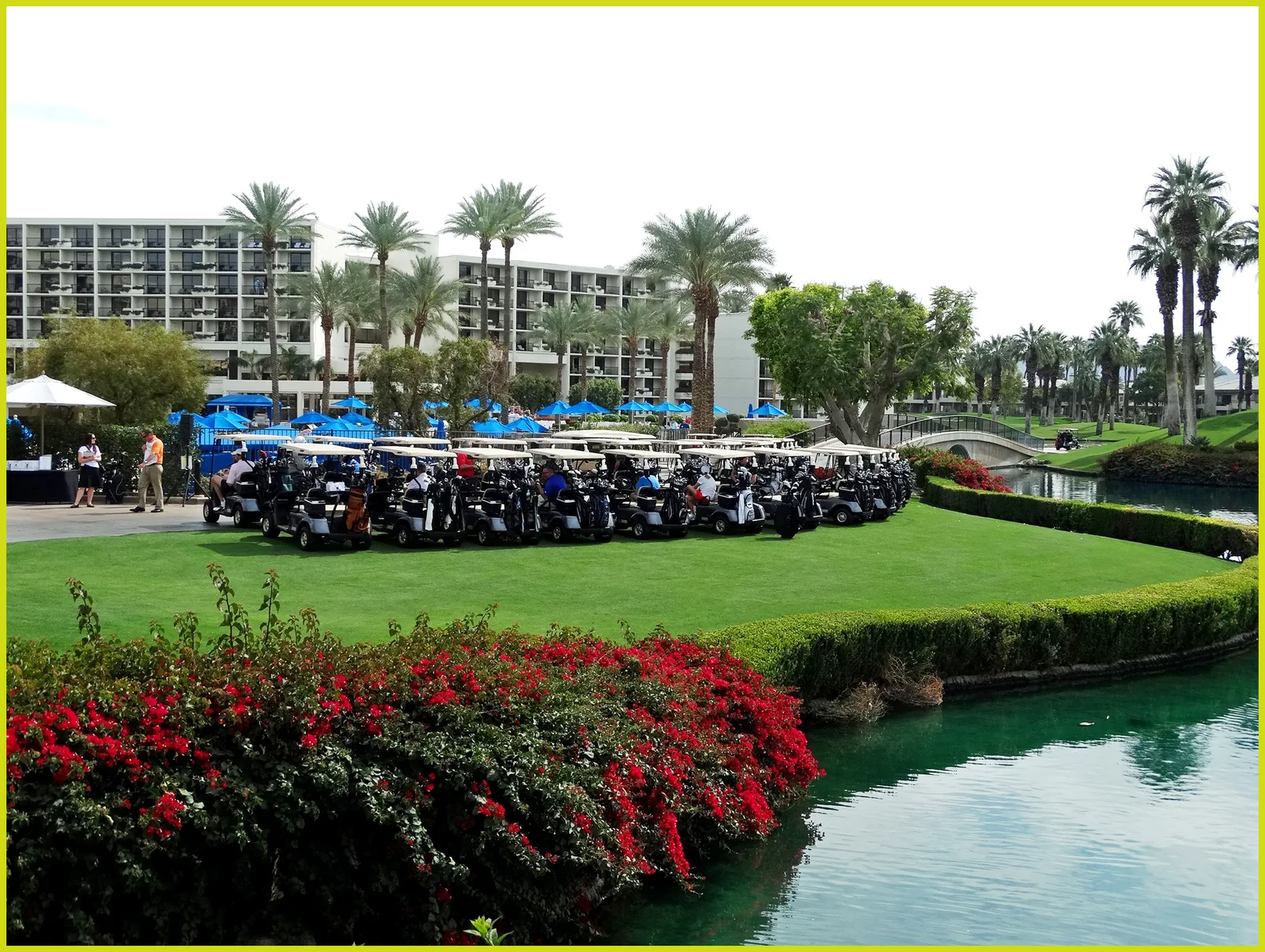
A fleet needs somewhere to charge, with enough circuits to charge simultaneously overnight. This is an electrical infrastructure question as much as a vehicle question, and it is the thing most often discovered late. Work it out before the carts arrive, not after.
Why lithium usually wins at fleet scale
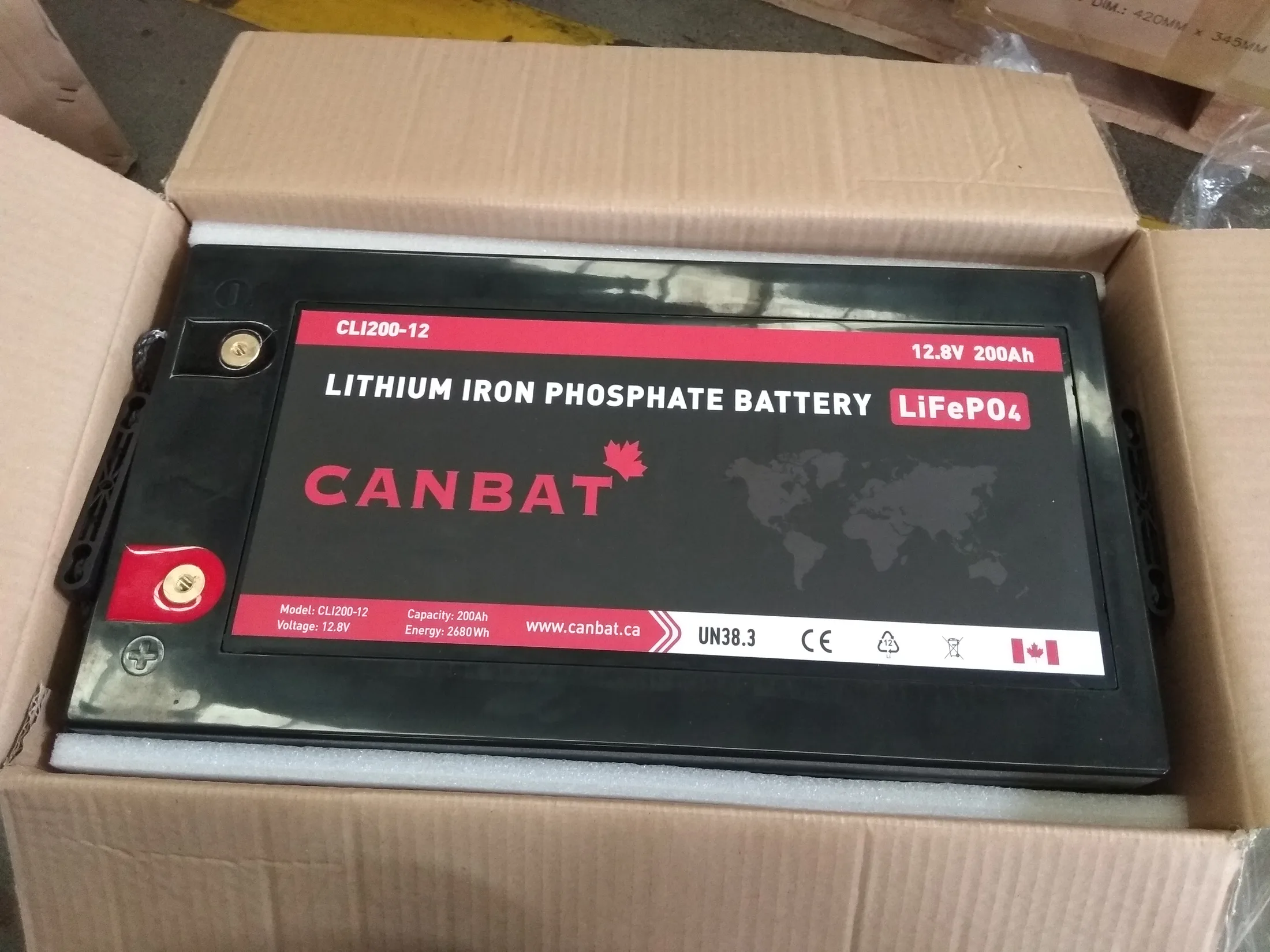
Fleet economics amplify the lithium argument. No watering schedule across dozens of vehicles, faster turnaround between uses, longer replacement cycles and less labour. The purchase premium is larger in absolute terms at fleet scale, and so is the saving.
Standardise where you can
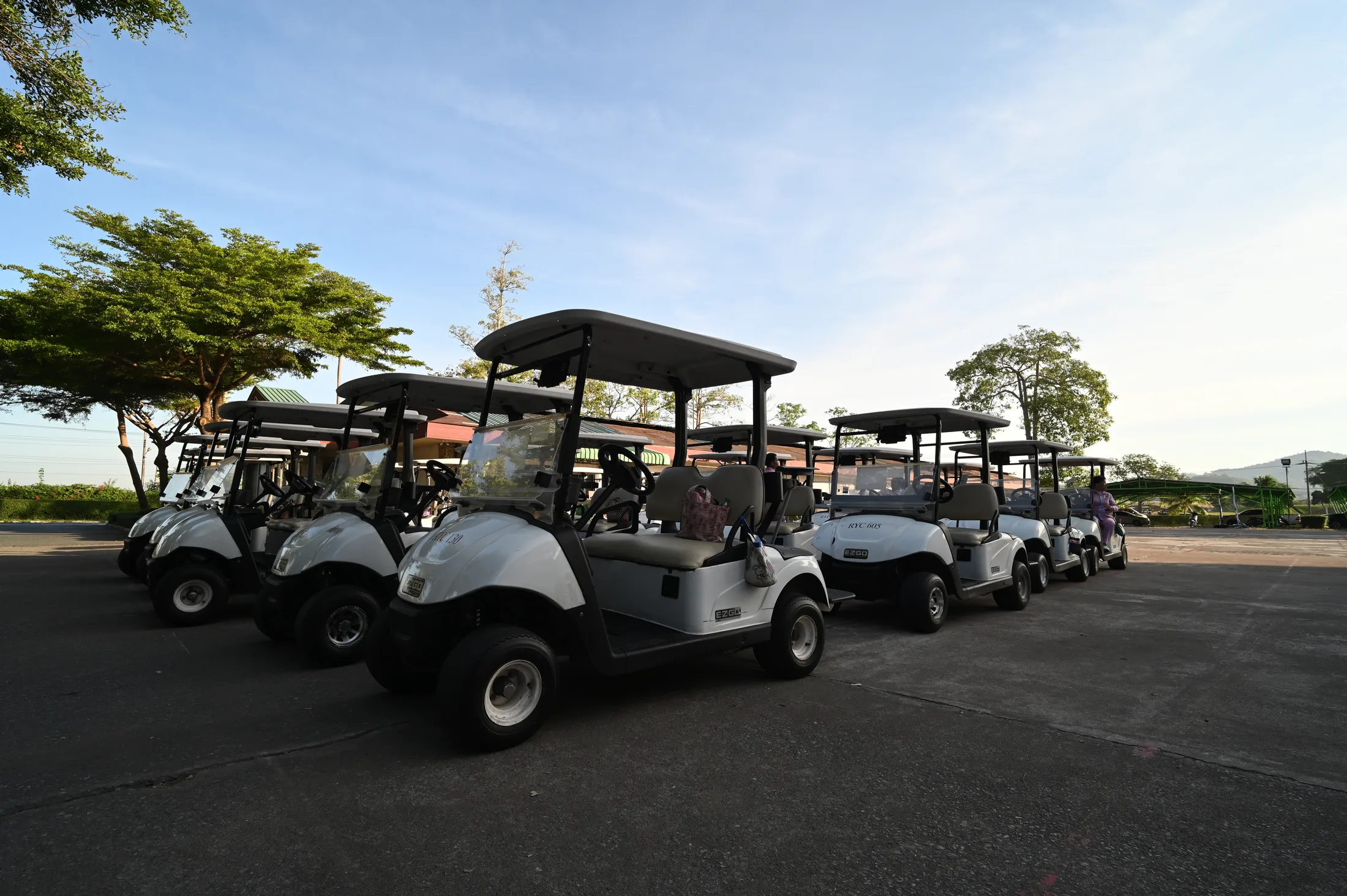
A fleet of one or two configurations is far cheaper to run than a mixed fleet: shared spares, one charger type, one maintenance routine, interchangeable batteries. Variety costs money quietly, every year.
Talk to us before specifying
Estate, resort and club requirements are handled directly by RGMZ rather than through a standard product page. See Estates & Resorts or request a quote.
Frequently asked questions
How many golf carts does a fleet need?
That depends on tee-time volume, round length and how much overlap you need between charging cycles — it is exactly the kind of sizing question RGMZ works through directly with estates and resorts rather than through a standard product page. Discuss your requirement and we will size it properly.
Why do fleets favour lithium batteries?
The lithium argument gets stronger at fleet scale. No watering schedule across dozens of vehicles, faster turnaround between uses, and less maintenance labour per vehicle all compound when you are running many carts rather than one.
Should a fleet use one cart model or several?
Standardise where you can. A fleet of one or two configurations is far cheaper to run than a mixed fleet — shared spares, one charger type, and staff who only need to learn one or two vehicles rather than several.